



COMPUTER SCIENCE
A-Level Computer Science is a two-year academic qualification focusing on computational thinking, programming, algorithms, and computer systems. It combines theoretical understanding of how computers work with practical, creative problem-solving, typically including a non-exam assessment (NEA) programming project.
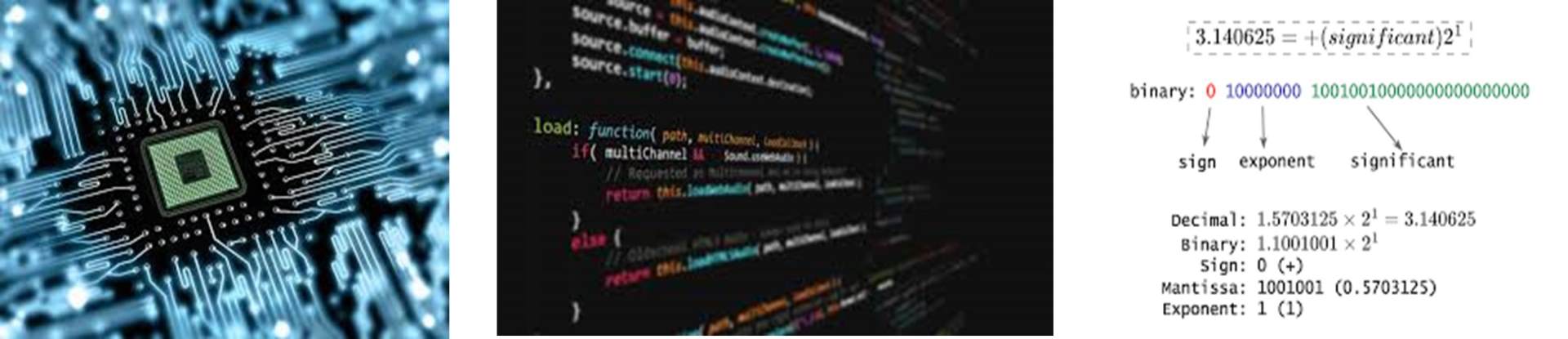
Over the course, we encourage students to develop and demonstrate strong logical thinking, mathematics, and problem-solving skills. The Computer Science course also provides practical programming skills highly valued by universities and employers. The curriculum covers crucial, in-depth topics including algorithm design, data structures, computer architecture, networking, and the ethical, legal, and cultural impacts of technology. Computer Science trains the mind to break down complex issues into manageable, logical parts, encouraging a systematic approach to problem-solving. By the end of the course students will develop technical understanding and their ability to analyse and solve problems using computational thinking.
Exam Awarding Body and Qualification
OCR A-Level Computer Science
How will the course be examined?
At the end of the two-year course, there are two written examination papers of 2½ hours each and a NEA (Non-Examined Assessment) which is a large, independent programming project to solve a real-world problem using top-down design and testing. Each written paper is worth 40% of the final grade.
- Paper one Computer Systems covers processors, software, databases & SQL, data types, data structures, Boolean algebra, legal & ethical issues
- Paper two Algorithms & Programming covers computational thinking, problem-solving & programming, algorithms
How is the curriculum structured?
|
Year 12 |
Year 13
|
|
Terms 1 & 2 Components of a computer Systems software Software development Databases & SQL
Terms 3 & 4 Data structures Networks & web technologies Computational Thinking Algorithms Python programming
Terms 5 & 6 Data Types Python programming NEA – programming project |
Terms 1 & 2 NEA programming project Boolean algebra Legal, moral, cultural & ethical issues Graph traversal & optimisation algorithms
Terms 3 & 4 NEA programming project Object-oriented programming Big O notation
Terms 5 & 6 Retrieval practice and revision |
How is this course assessed?
- In-class probing questions to check for understanding
- End of topic tests.
- End of unit tests involving past paper style questions.
- Independent study questions, often using exam style questions.
- End of year examination.
How can I revise for this course?
- Websites include PMT (Physics and Maths Tutor), Craig n Dave, Isaac Computer Science, CSnewbs
- Revision guides: OCR A-Level Computer Science My Revision Notes
Progression
This course leads to careers in software engineering, cybersecurity, game development, or higher education in computer science, IT, or related STEM fields.